Commodity markets remain heavily influenced by the evolving conflict between the United States and Iran, with energy prices continuing to react to developments surrounding the Strait of Hormuz while precious and industrial metals respond to changing expectations for inflation and global growth.
Oil remains the dominant story. Brent and WTI crude experienced significant intraday volatility after Iranian attacks disrupted shipping through the Strait of Hormuz, briefly pushing Brent above $91 per barrel before prices retreated following reports that Iran had received ceasefire proposals through international mediators.
The conflict has now entered its ninth consecutive day of military activity, with additional supply concerns emerging from attacks affecting Russian export infrastructure in the Black Sea. Investor positioning reflects the heightened uncertainty, with money managers significantly increasing long positions in Brent crude while refining margins continue to reach new highs.
Natural gas has moved in the opposite direction, declining despite broader geopolitical concerns as increased Canadian pipeline capacity helped offset supply risks associated with the Middle East.
Gold remains caught between opposing market forces. Safe-haven demand linked to geopolitical tensions continues to provide support, while expectations that higher oil prices could sustain inflation and lead to further Federal Reserve tightening have weighed on precious metals. Gold briefly fell below the $4,000 level before stabilizing, while exchange-traded funds continued to record net selling. Technical indicators also suggest the market remains under pressure.
Silver has outperformed gold during the session, benefiting from stronger investor demand, while platinum has remained broadly stable.
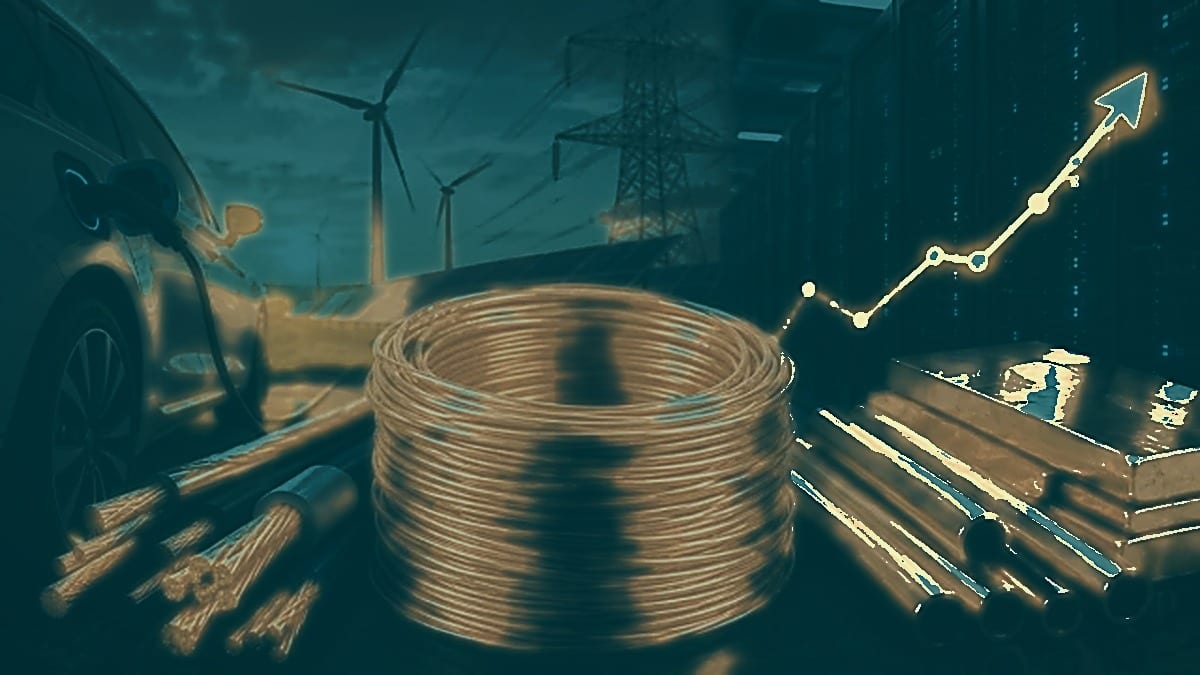
Industrial metals have shown more resilience. Copper rebounded after recent weakness, supported by tightening physical inventories and stronger demand from China. Domestic policy changes affecting scrap supply have increased demand for refined copper imports, while longer-term expectations continue to point toward structural demand growth driven by electrification and artificial intelligence infrastructure.
Aluminium remained relatively stable, although China's exports reached record levels as producers responded to supply shortages resulting from disruptions in the Middle East.
Overall, commodity markets continue to reflect a combination of geopolitical uncertainty, evolving supply conditions, inflation expectations, and long-term structural demand across multiple sectors.